
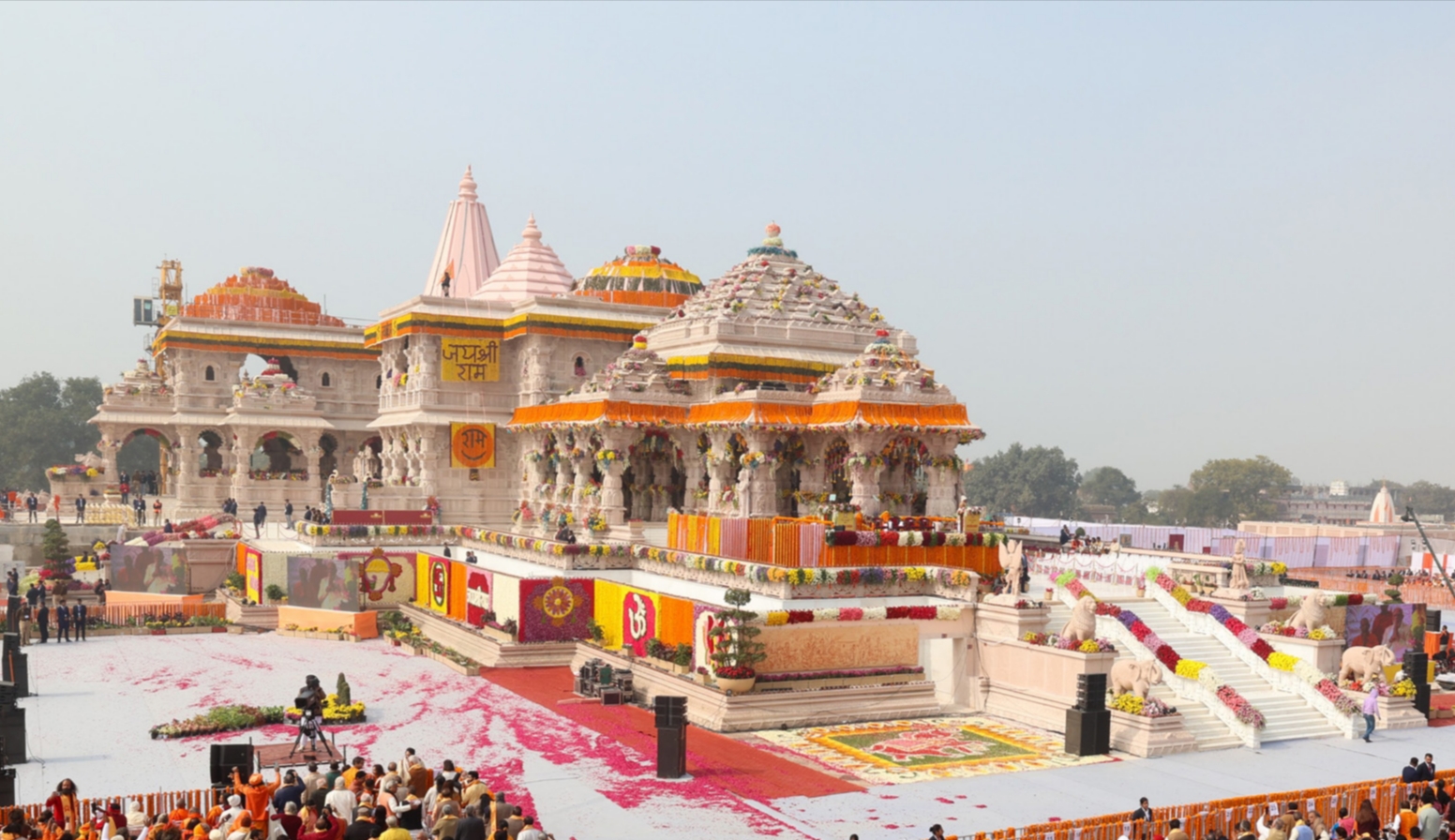
Ayodhya Ram Janmabhoomi Temple
Ayodhya, a historic city in Uttar Pradesh, India on the banks of the sacred Saryu River, is one of the most revered pilgrimage sites, drawing crores of devotees every year across the world. Steeped in mythology, history, and culture, Ayodhya is celebrated as the birthplace of Lord Rama, the seventh incarnation of Vishnu and the central figure of the epic Ramayana, making it a spiritual and cultural treasure of India.
Ayodhya is more than just a pilgrimage site. It is a living testament to India’s spiritual and architectural heritage, where ancient temples, serene ghats, and vibrant festivals bring its legendary past to life. In Ayodhya, from the majestic Ram Mandir to the tranquil banks of the Saryu, every corner of the city tells a story, inviting travelers and devotees alike to step into a world where myth and history intertwine.
Planning a visit?
Crowds at Ram Mandir can be unpredictable. Talk to a local travel expert on Fento App for up-to-date information.
Main Attraction: Shri Ram Janmabhoomi
The heart and soul of Ayodhya city is the Shri Ram Janmabhoomi, the sacred birthplace of Lord Rama. The presiding deity is Ram Lalla Virajman—the infant form of Lord Rama, the seventh avatar of Lord Vishnu. He is worshipped here as a five-year-old child, representing innocence, divinity, and the "Maryada Purushottam" (the supreme man who follows the righteous path). This holy Ayodhya city on the banks of the Saryu River is one of the most important spiritual destinations in India.
The Story of Lord Ram and Ayodhya
According to Hindu scriptures Valmiki's Ramayana, Lord Ram was born to King Dasharatha and Queen Kaushalya during the Treta Yuga. He is celebrated as Maryada Purushottam — the ideal man who upheld truth, duty, compassion, and righteousness above all else.
According to the epic Ramayana, Ayodhya was founded by Manu. It was the capital of the Ikshvaku dynasty. Lord Ram’s life journey — from his divine birth and royal upbringing to his 14-year exile, battle with Ravana, and eventual return — symbolizes the triumph of dharma (righteousness) over adharma (evil).
Ram Mandir – The Sacred Birthplace
The Ram Mandir stands at the exact site believed to be Lord Ram’s birthplace. The newly constructed grand Ayodhya temple reflects ancient Nagara-style architecture, using pink sandstone from Rajasthan without the use of iron or steel, designed to inspire devotion and awe.
For centuries, the site was the center of a deep historical and legal struggle. In 2019, a landmark Supreme Court verdict cleared the way for the reconstruction. On January 22, 2024, the Pran Pratishtha (consecration ceremony) took place, marking the "homecoming" of Ram Lalla.
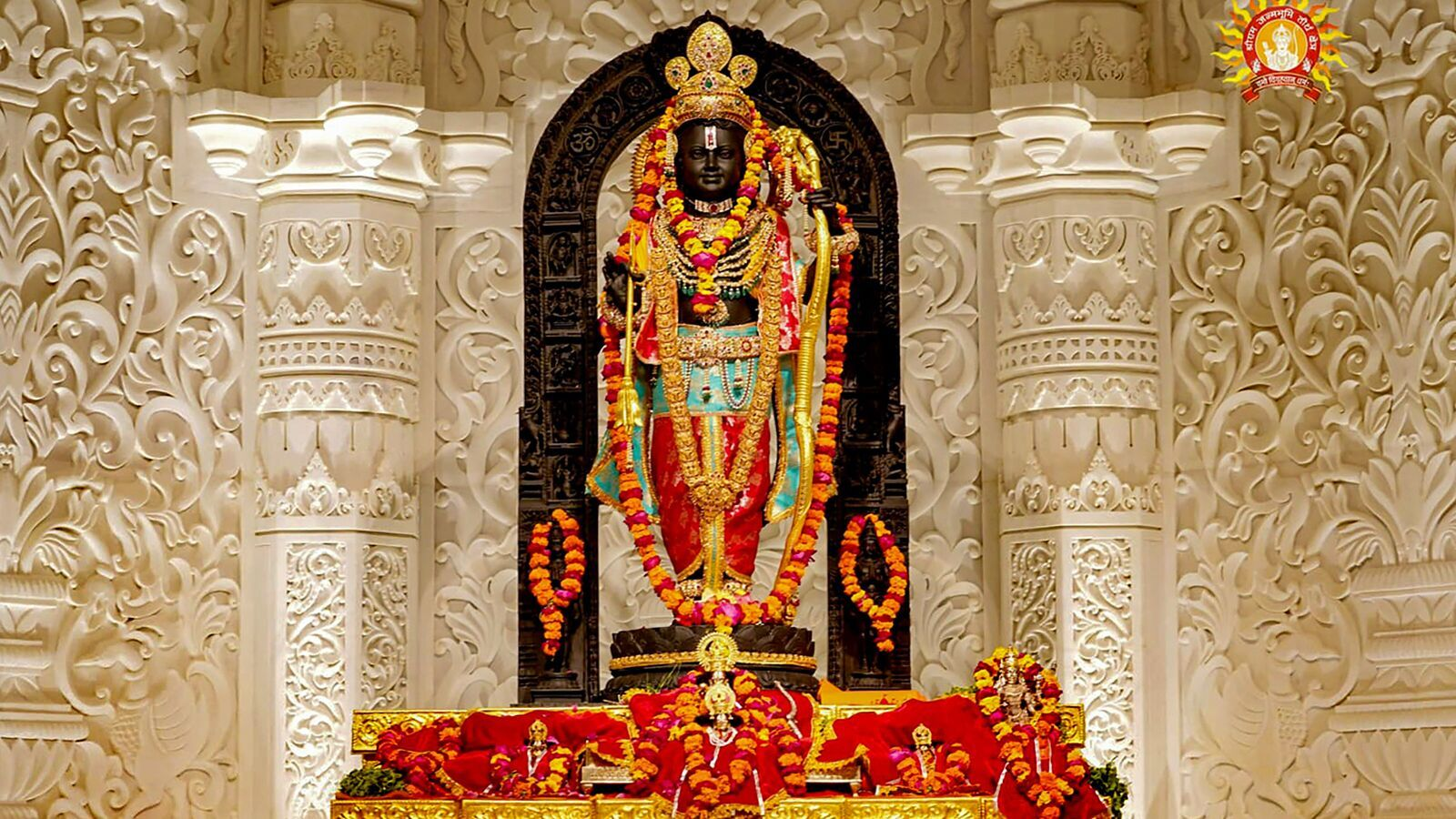
At the center of the sanctum is the Ram Vigraha, depicting Balak Ram — Lord Ram as a child — symbolizing purity, hope, and divine grace. Devotees believe that darshan brings peace, strength, and spiritual fulfillment.
Spiritual Significance
Crores of devotees don't just see the Ram Mandir as a building; they experience the spiritual atmosphere of Ayodhya that has waited centuries for this moment. The Ayodhya Ram Mandir complex is designed to last for over 1,000 years, standing as a testament to Indian craftsmanship and eternal devotion, making it one of the most sacred pilgrimage sites for Hindus.
How to Reach Ayodhya
By Air
Maharishi Valmiki International Airport (AYJ): The most convenient option, connecting major cities like Delhi, Mumbai, and Bangalore. Taxis are readily available to reach the temple complex.
Alternative: Fly into Lucknow (LKO), about 135 km (3 hours) away.
By Rail
Ayodhya Dham Junction (AY): A world-class station just 1.5 km from the Ram Mandir.
Ayodhya Cantt (AYC): Another major stop 10 km away. Look for Vande Bharat or Amrit Bharat express trains.
By Road
Smooth drives via NH-27 and NH-330. 2.5-3 hours from Lucknow, 4 hours from Varanasi. State buses and private cabs are plentiful.
Other attractions
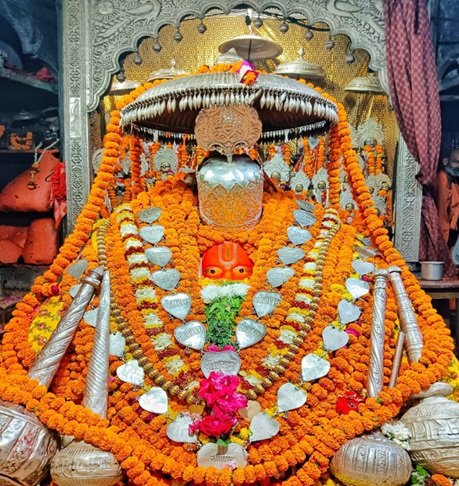
1. Hanuman Garhi
A massive 10th-century temple resembling a fortress. It is tradition to visit here before heading to the Ram Mandir. Climbing the 76 steps rewards you with a panoramic view.
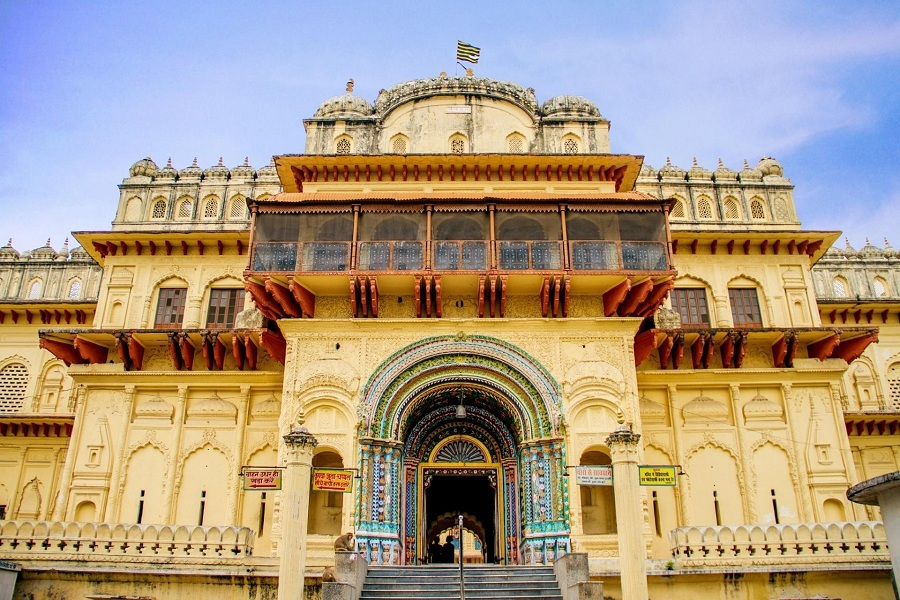
2. Kanak Bhawan
Known as the "Golden Palace," this temple was gifted to Sita by Kaikeyi. The idols of Rama and Sita are adorned with gold jewelry.
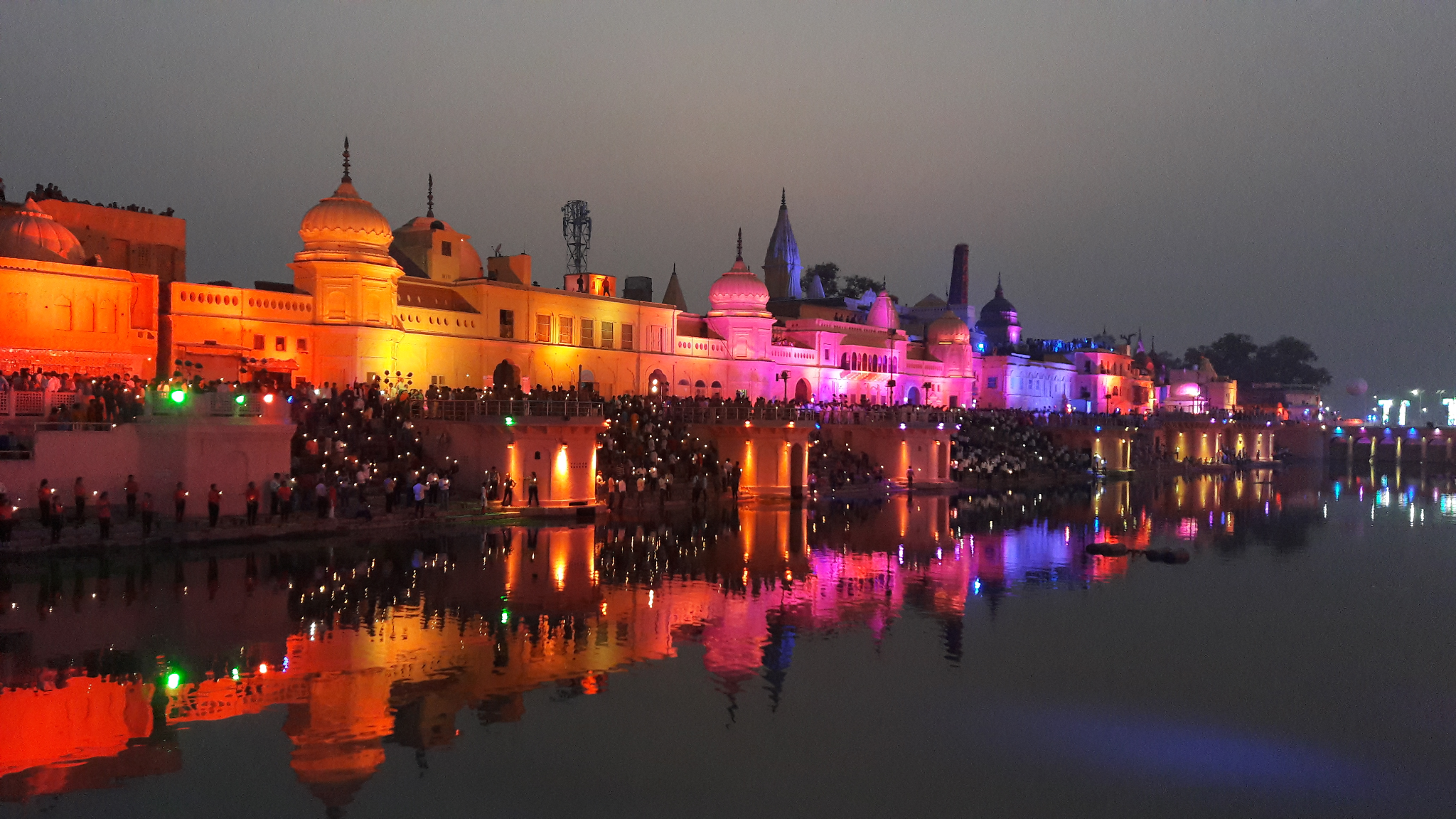
3. Saryu Ghat (Ram Ki Paidi)
The heartbeat of Ayodhya. The evening Aarti here is a mesmerizing experience. Reach 45 minutes before sunset for the best spot.
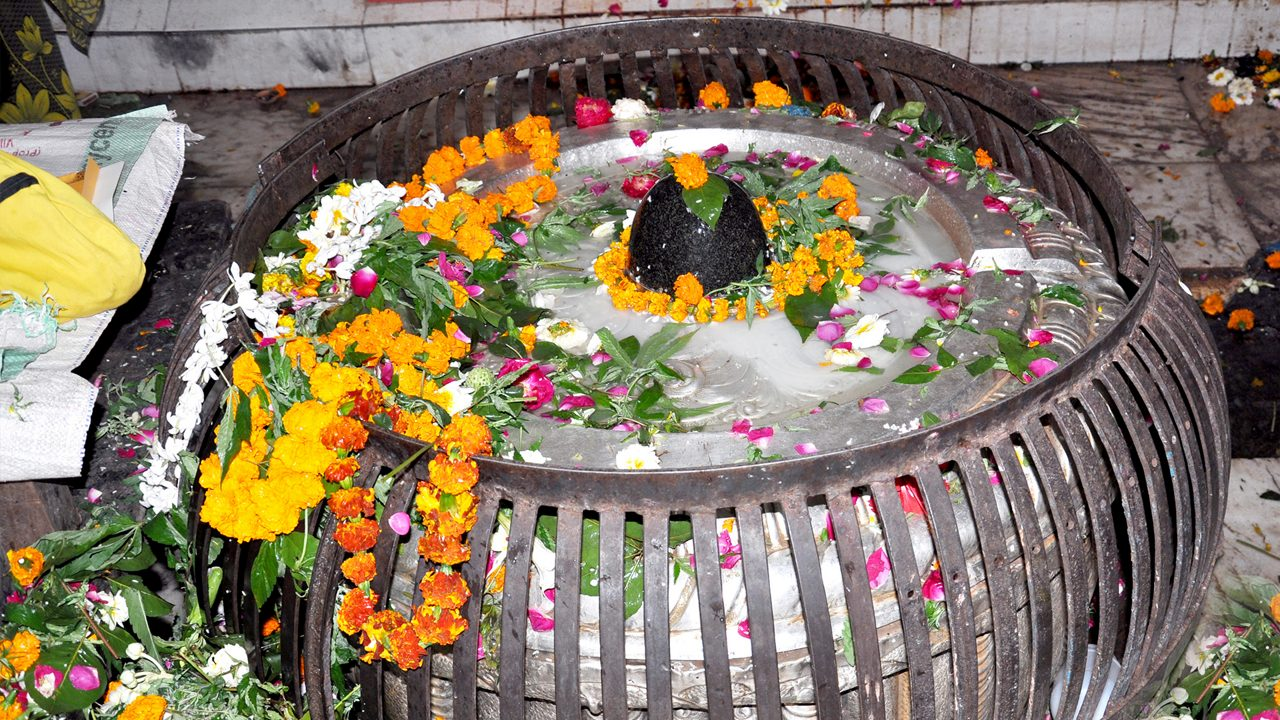
4. Nageshwarnath Temple
Dedicated to Lord Shiva, established by Kush, Lord Rama's son. A testament to the city's ancient roots and the bond between Shiva and Rama.
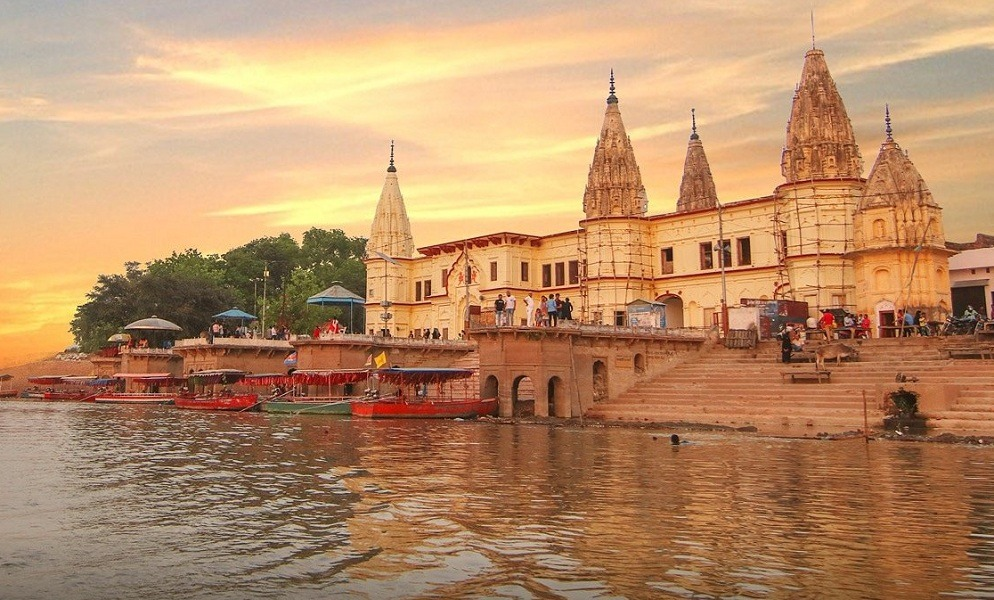
5. Guptar Ghat
The silent gateway to Vaikuntha where Lord Rama took Jal Samadhi. Features beautiful 19th-century temples and peace.
Where to Stay
- Temple Trust Dharamshalas: Locate near Ram Mandir. Basic, clean, and often donation-based.
- IRCTC Guest House: Near Ayodhya Dham Junction, safe and clean.
- Birla Dharamshala: Well-maintained, close to Hanuman Garhi.
Tip: Book weeks in advance. Ayodhya is booming!
Frequent Traveler Mistakes
- Not booking stays in advance.
- Visiting during peak Aarti hours without planning.
- Disrespecting local customs or dress codes.
- Underestimating walking distances between ghats and temples.
Avoid Tourist Traps
Don't rely on outdated info. Connect with a Fento Champ in Ayodhya for the latest tips.
Ask a Local Expert
Confusion about where to park your car?
Free to talk to experts
Similar articles
Discover more fascinating destinations and travel stories
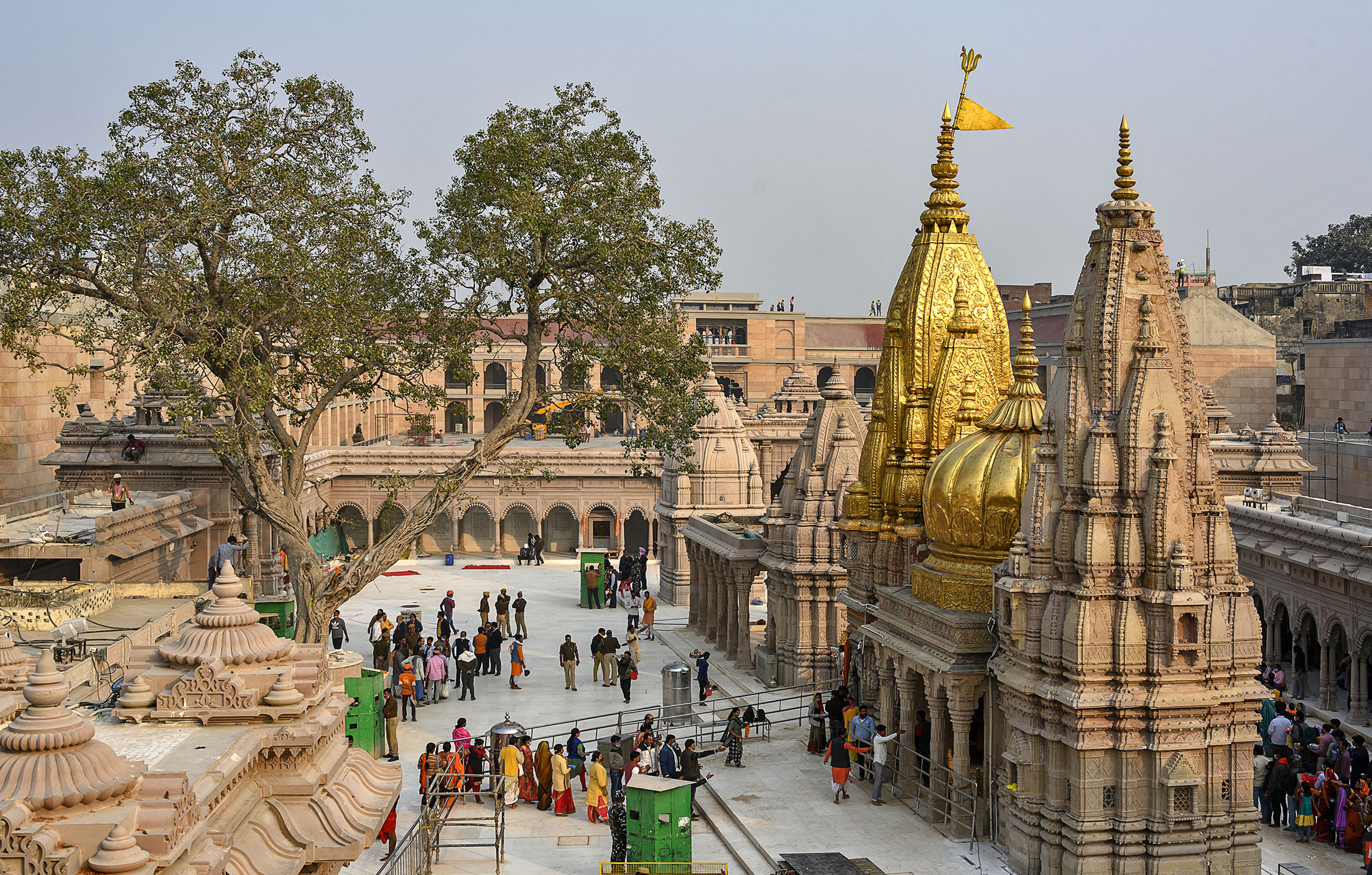
Varanasi Travel Guide 2026: The Ultimate Kashi Vishwanath & Ghats Itinerary
Explore Varanasi (Kashi/Banaras), the spiritual heart of India. Discover Kashi Vishwanath, Ganga Ghats, Sarnath, and more.
Read More →
Prayagraj Travel Guide 2026: Temples, Triveni Sangam, Magh Mela & Top Attractions
Explore Prayagraj (Allahabad), the spiritual confluence of Ganga, Yamuna & Saraswati. Discover Magh Mela 2026 dates, Triveni Sangam, and top places to visit.
Read More →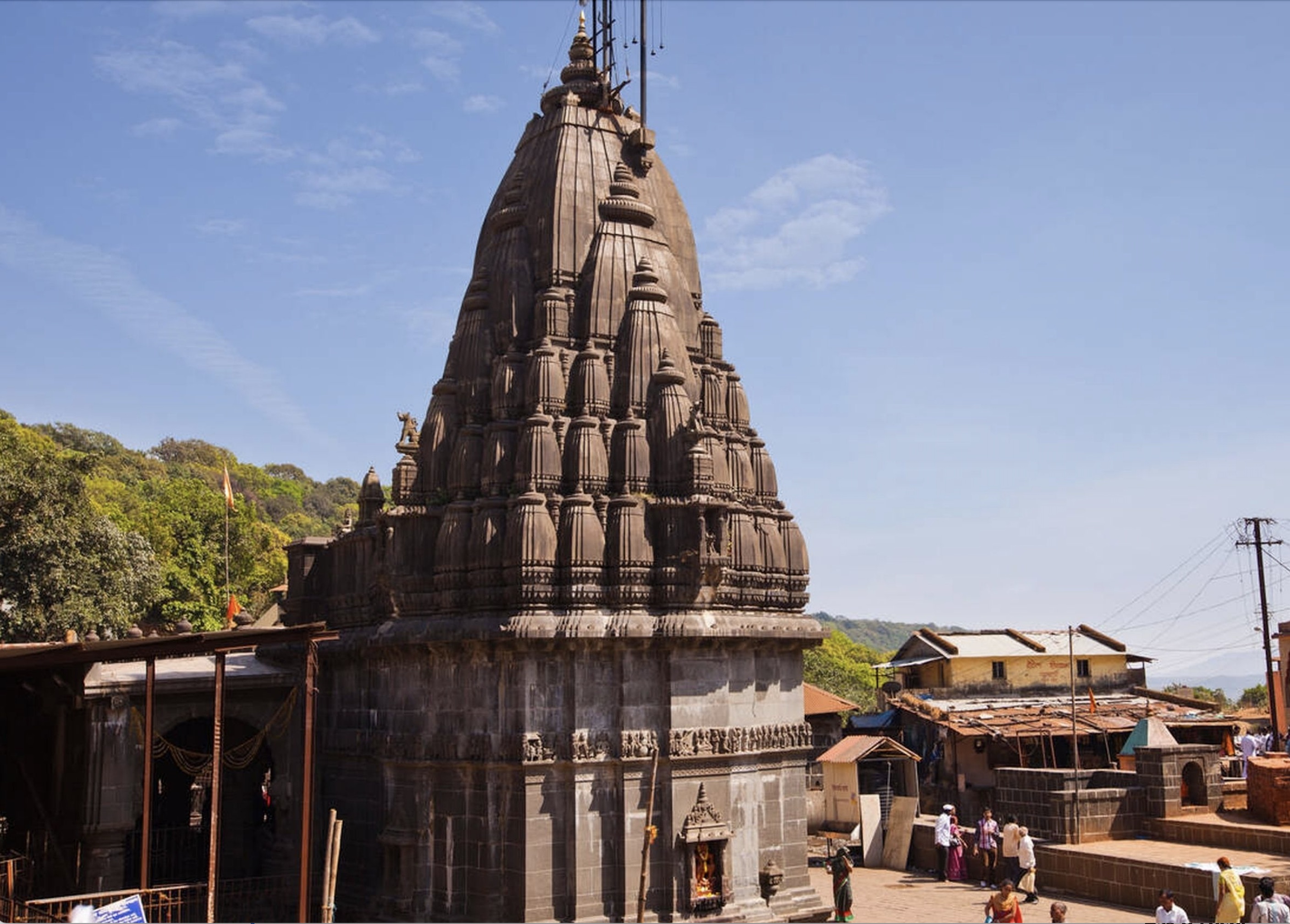
Bhimashankar Jyotirlinga Shiva Temple
Discover the spiritual aura and natural beauty of Bhimashankar, one of the 12 Jyotirlingas nestled in the Western Ghats.
Read More →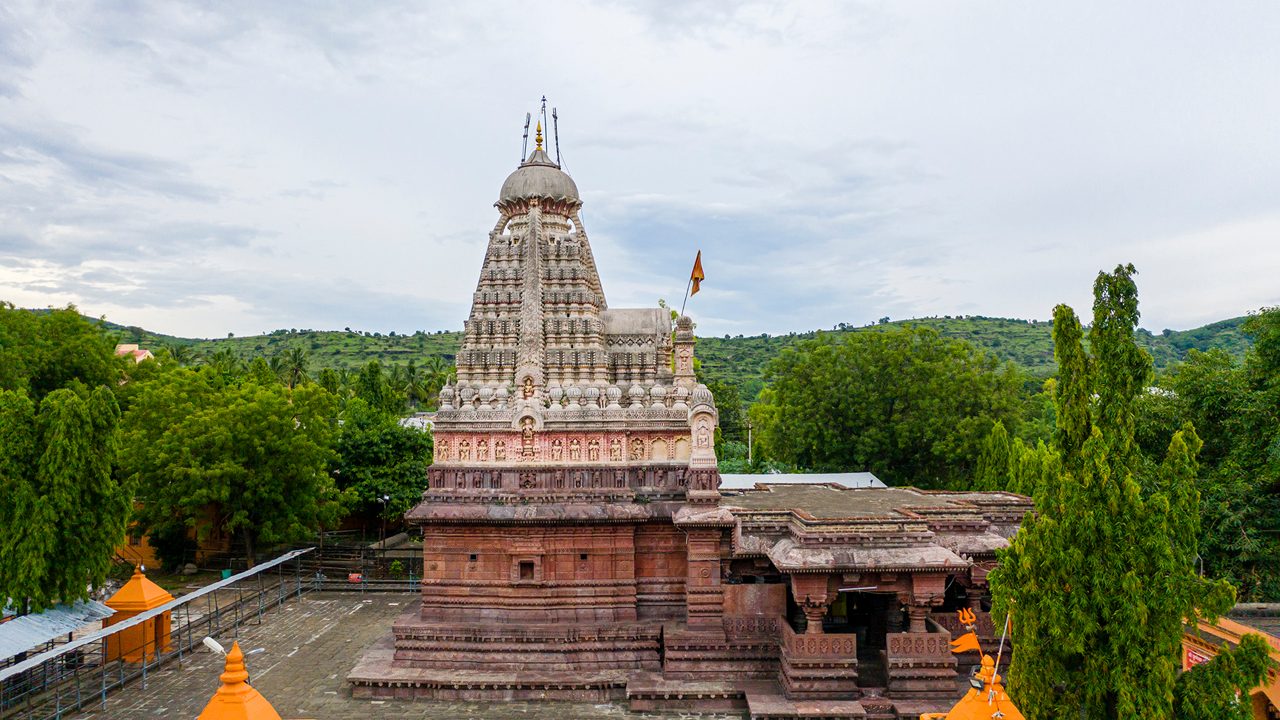
Grishneshwar Jyotirlinga Temple
Discover the sacred Grishneshwar Jyotirlinga Temple, an ancient pilgrimage site and one of the 12 Jyotirlingas.
Read More →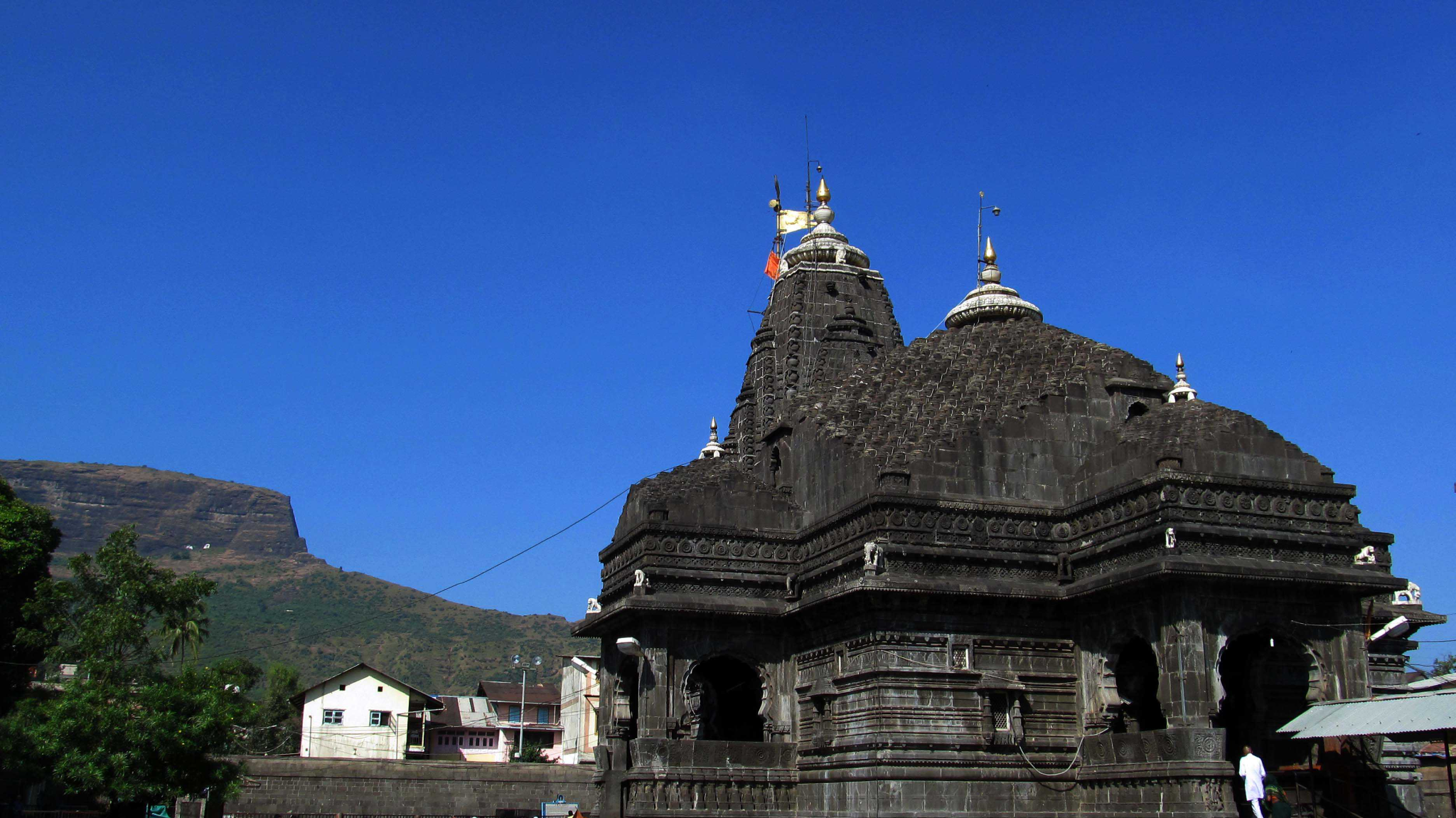
Trimbakeshwar Jyotirlinga Temple: Complete Travel Guide
Discover Trimbakeshwar, one of the 12 sacred Jyotirlingas. Explore the temple, Kushavarta Kund, Brahmagiri Hills, and spiritual significance.
Read More →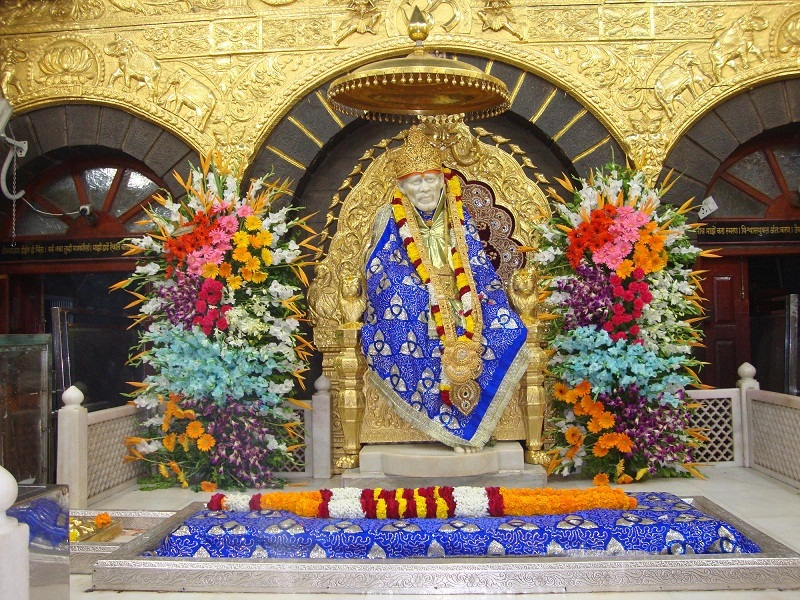
Shirdi Travel Guide 2026: The Ultimate “Sabka Malik Ek” Pilgrimage Experience
Plan your Shirdi pilgrimage in 2026. Complete guide on Sai Baba Temple timings, darshan passes, budget stays, and nearby attractions.
Read More →