
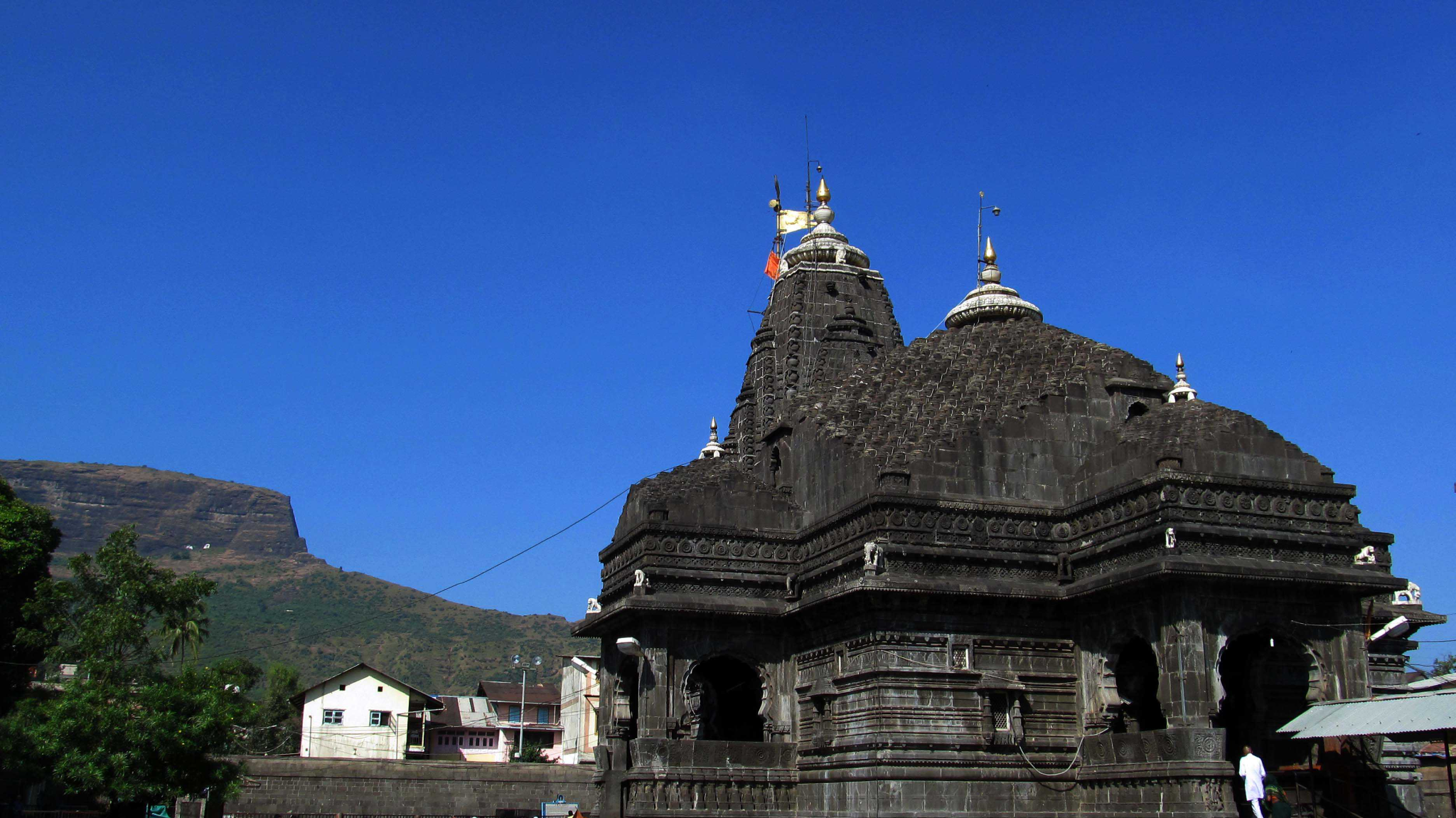
Trimbakeshwar Jyotirlinga Travel Guide 2026: Darshan, History & Source of the Godavari
Located in Trimbak town near Nashik, Maharashtra, Trimbakeshwar Jyotirlinga is one of the 12 sacred Jyotirlingas of Lord Shiva and one of the most spiritually powerful Shiva temples in India.
Most Jyotirlingas are dedicated solely to Lord Shiva; however, the deity at Trimbakeshwar has three small thumb-sized faces representing Brahma, Vishnu, and Shiva. Nestled at the foothills of the Brahmagiri Hills, this temple holds immense religious significance because it is also the origin of the holy River Godavari.
Ask a Local Expert
Planning a Darshan? Get latest information on crowd levels, quick darshan tickets and special poojas from local experts on Fento app.
Trimbakeshwar Jyotirlinga History & Mythological Story
According to Hindu mythology, Sage Gautama once lived in this region with his wife Ahalya. During a severe drought, he performed intense penance to please Lord Shiva. Lord Shiva agreed to bless Gautama and released the Ganga from his matted hair, which became the Gautami Godavari.
However, the river could not directly flow due to the wrath of Shiva, and instead, the Ganges appeared as a stream and flowed to the earth through the Trimbak hills. This stream eventually became known as the Godavari River.
Architecture: The 18th Century Masterpiece
The present-day Trimbakeshwar Jyotirlinga Temple stands as a remarkable example of Maratha-era temple architecture. It was rebuilt in the 18th century by Peshwa Balaji Baji Rao (Nanasaheb), whose patronage gave the shrine its enduring form and structural grandeur.
Hemadpanthi Architectural Style
The temple is constructed in the Hemadpanthi style, a traditional architectural form known for its strength, symmetry, and minimal use of mortar. Built entirely from black basalt stone, the structure reflects both resilience and spiritual austerity—qualities deeply associated with Lord Shiva.
Trimbakeshwar Jyotirlinga Temple in Nashik, Maharashtra
Kushavarta Kund: Birthplace of the Godavari
Within the temple complex lies the sacred Kushavarta Kund, believed to be the point where the holy River Godavari originates in a visible way..
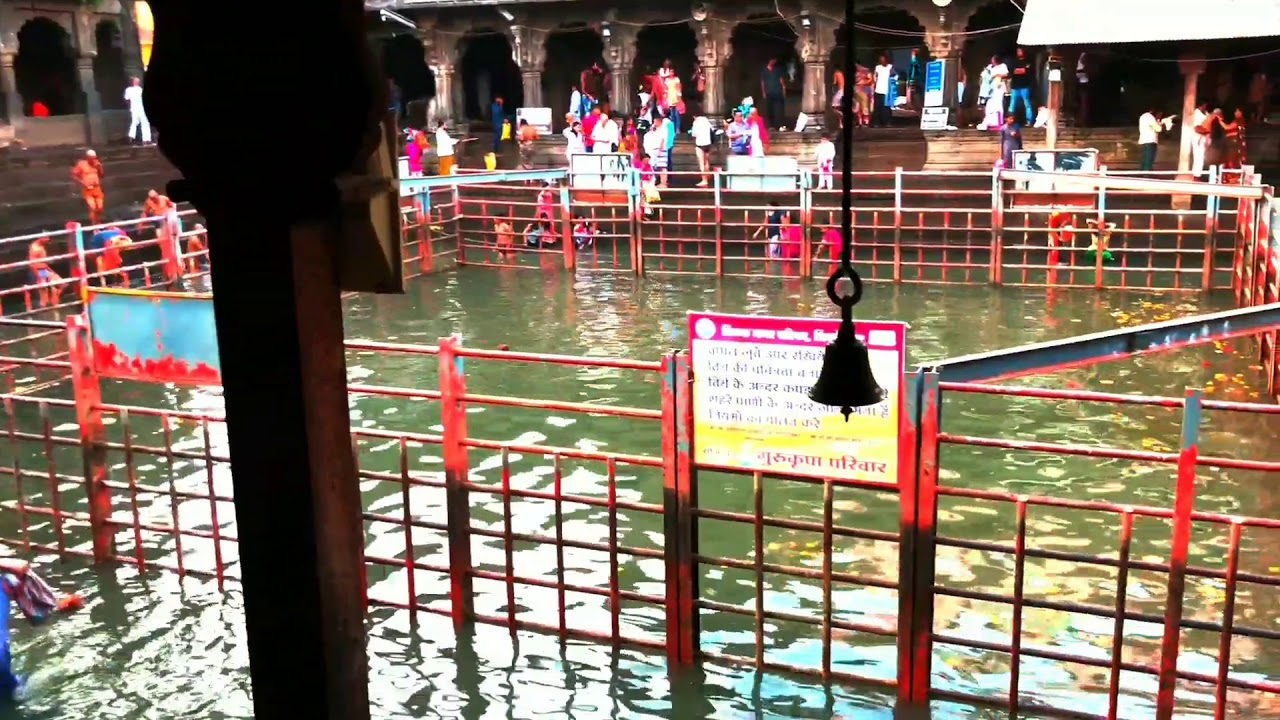
Devotees bathe in the sacred Kushavarta kund for ritual purification before darshan
The Golden Crown
This jeweled crown is specifically shown to devotees on Mondays from about 4:30 PM to 5:00 PM (sometimes noted as 4 – 5 PM in general).
🔹 On these Mondays, a palkhi (palanquin) procession carrying the crowned Linga around the temple area (often to Kushavarta Tirtha) is organized, making it a special time for darshan.
📍 How to Reach Trimbakeshwar Jyotirlinga
1. By Air
Nearest Airports
- Nashik Airport (Ozar) – about 30–40 km from Trimbakeshwar.
- Chhatrapati Shivaji Maharaj International Airport, Mumbai – the major international gateway, ~180–200 km away.
2. By Train
Nearest Railway Station: Nashik Road (30 km)
From station: Taxi, auto, or bus available
3. By Road
Well-connected via road from Nashik, Mumbai, Pune
MSRTC buses run frequently from Nashik
| Starting City | Approx. Distance | Estimated Travel Time | Primary Route | Best for |
|---|---|---|---|---|
| Mumbai | 180 km | 3.5 – 4 Hours | NH160 (Mumbai-Nashik Expressway) | Fast expressway drive |
| Pune | 240 km | 5 Hours | NH60 (via Sangamner) | Scenic road trip |
| Shirdi | 116 km | 2.5 – 3 Hours | SH10 / NH160 | Religious circuit travelers |
| Nashik City | 28 km | 45 – 60 Mins | Trimbak Road | Local commuters/Trains |
Starting City
Mumbai
Approx. Distance
180 km
Estimated Travel Time
3.5 – 4 Hours
Primary Route
NH160 (Mumbai-Nashik Expressway)
Best for
Fast expressway drive
Starting City
Pune
Approx. Distance
240 km
Estimated Travel Time
5 Hours
Primary Route
NH60 (via Sangamner)
Best for
Scenic road trip
Starting City
Shirdi
Approx. Distance
116 km
Estimated Travel Time
2.5 – 3 Hours
Primary Route
SH10 / NH160
Best for
Religious circuit travelers
Starting City
Nashik City
Approx. Distance
28 km
Estimated Travel Time
45 – 60 Mins
Primary Route
Trimbak Road
Best for
Local commuters/Trains
Fento Pro Tips
- Pune Route: The Pune-Nashik highway is busy with industrial traffic; starting early (before 6:00 AM) can save you nearly an hour of travel time.
- Best Time to Visit: October to March offers the best weather. However, if you love "misty mountains" and waterfalls, the monsoon season is magical.
- Traveling from Mumbai? Try to sit on the left side of the vehicle for the best views of Kasara Ghat’s valleys and waterfalls. Coming from Pune? Sit on the right side to capture the stunning Sahyadri mountain ranges.
Places to Stay
1. Shiv Prasad Bhakti Nivas (Temple Trust Accommodation)
Provided by Trimbakeshwar Temple Trust (Shivprasad Bhakta Niwas) with basic rooms near the temple.
2. Hraydeshwar Bhakta Niwas
- A dharamshala-style option catering to devotees and pilgrims.
- Slightly basic facilities compared to larger trusts, but good for budget travel.
🍽 Must-Try Food Near Trimbakeshwar
Puran Poli
A sweet flatbread stuffed with lentil and jaggery filling.
Nashik Misal Pav
A spicy sprouted bean curry served with bread (pav), famous in this region.
Sabudana Khichdi
A popular fasting dish made from tapioca pearls, peanuts, and spices.
Top Attractions Near Trimbakeshwar
1. Brahmagiri Hills
Birthplace of River Godavari. Scenic trek with stone steps. Deep mythological significance linked to Sage Gautama.
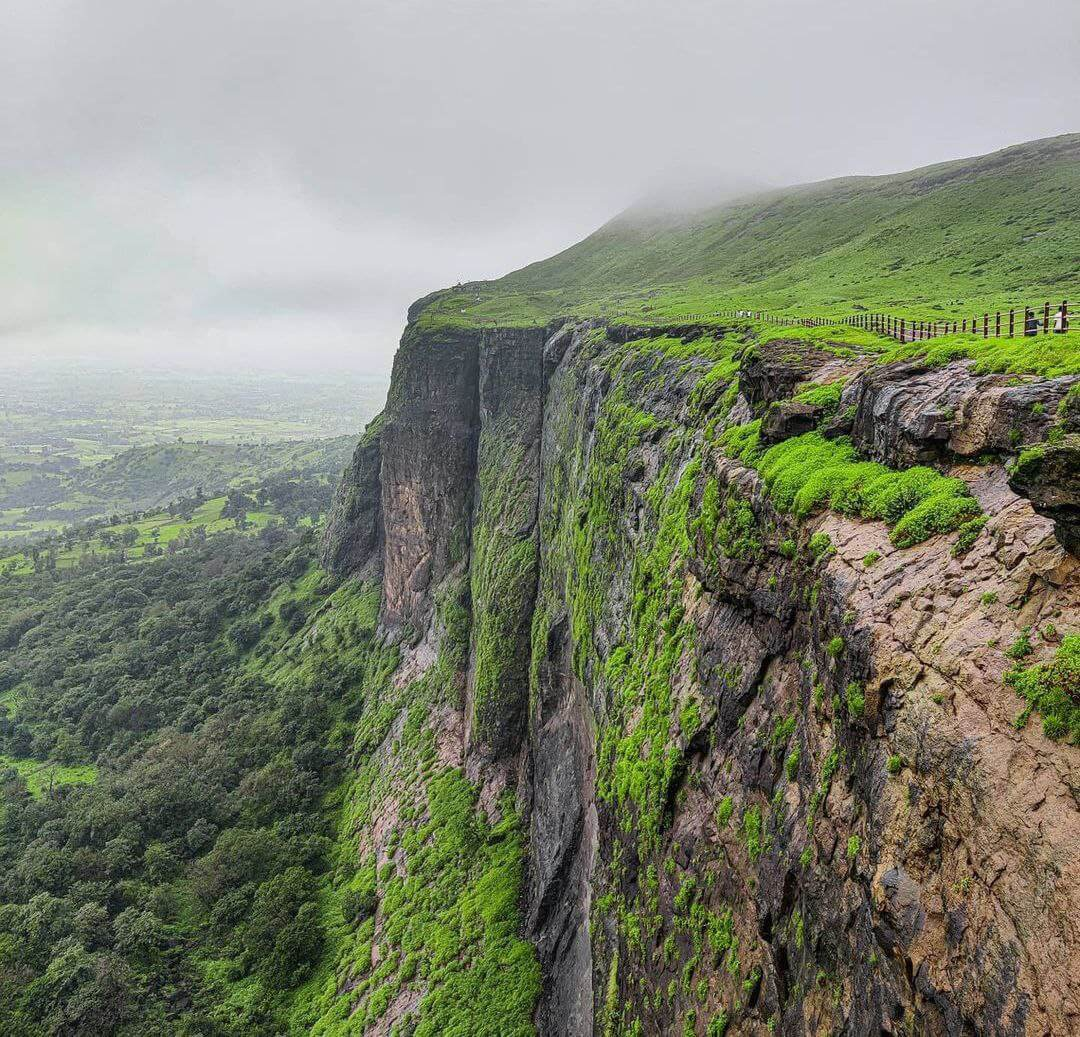
2. Anjaneri Fort
Widely recognized as the birthplace of Lord Hanuman and is a popular trekking and monsoon destination. Must visit The plateau at the top features a unique lake shaped like a footprint, often called the "Hanuman Taapu."
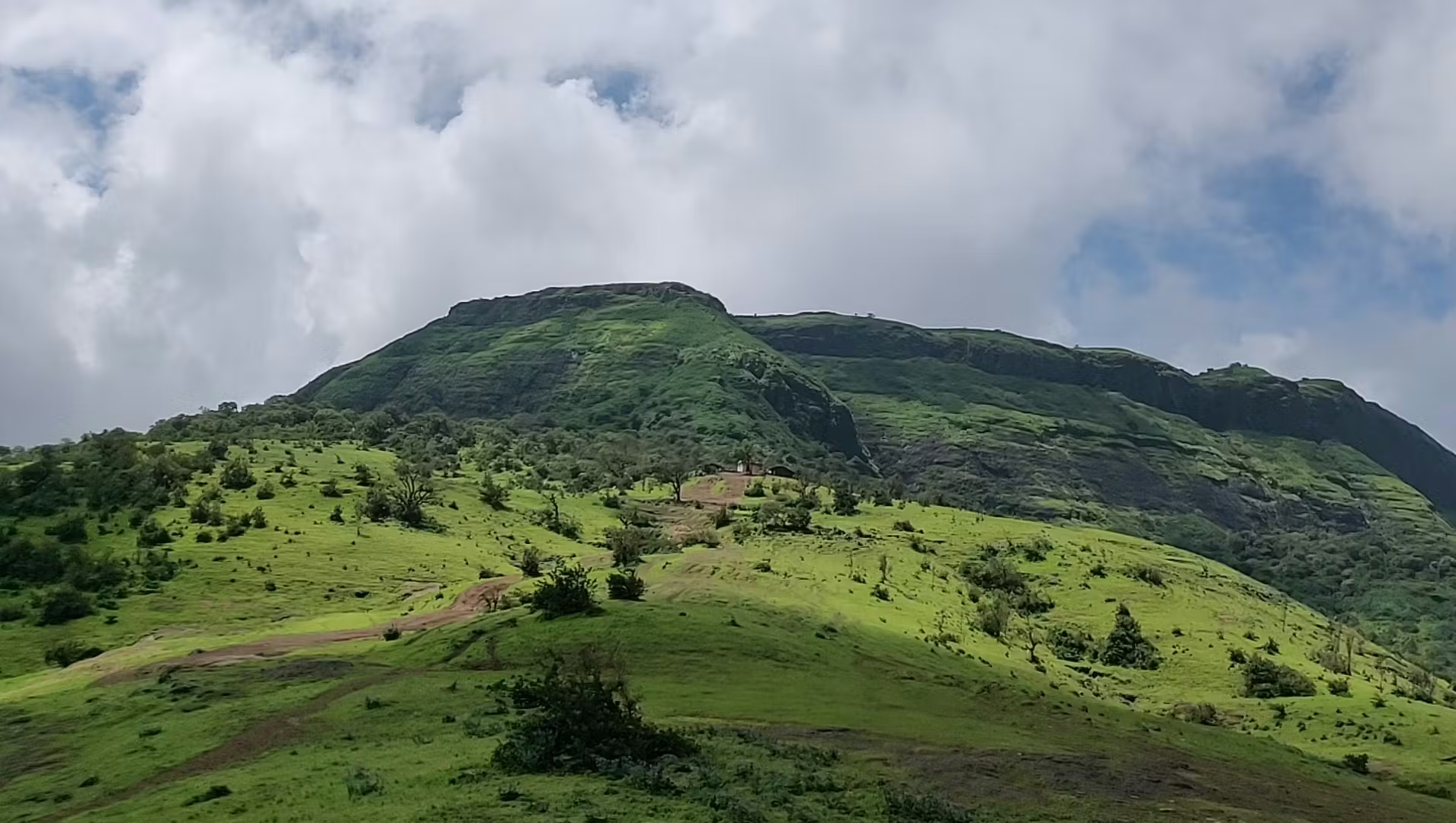
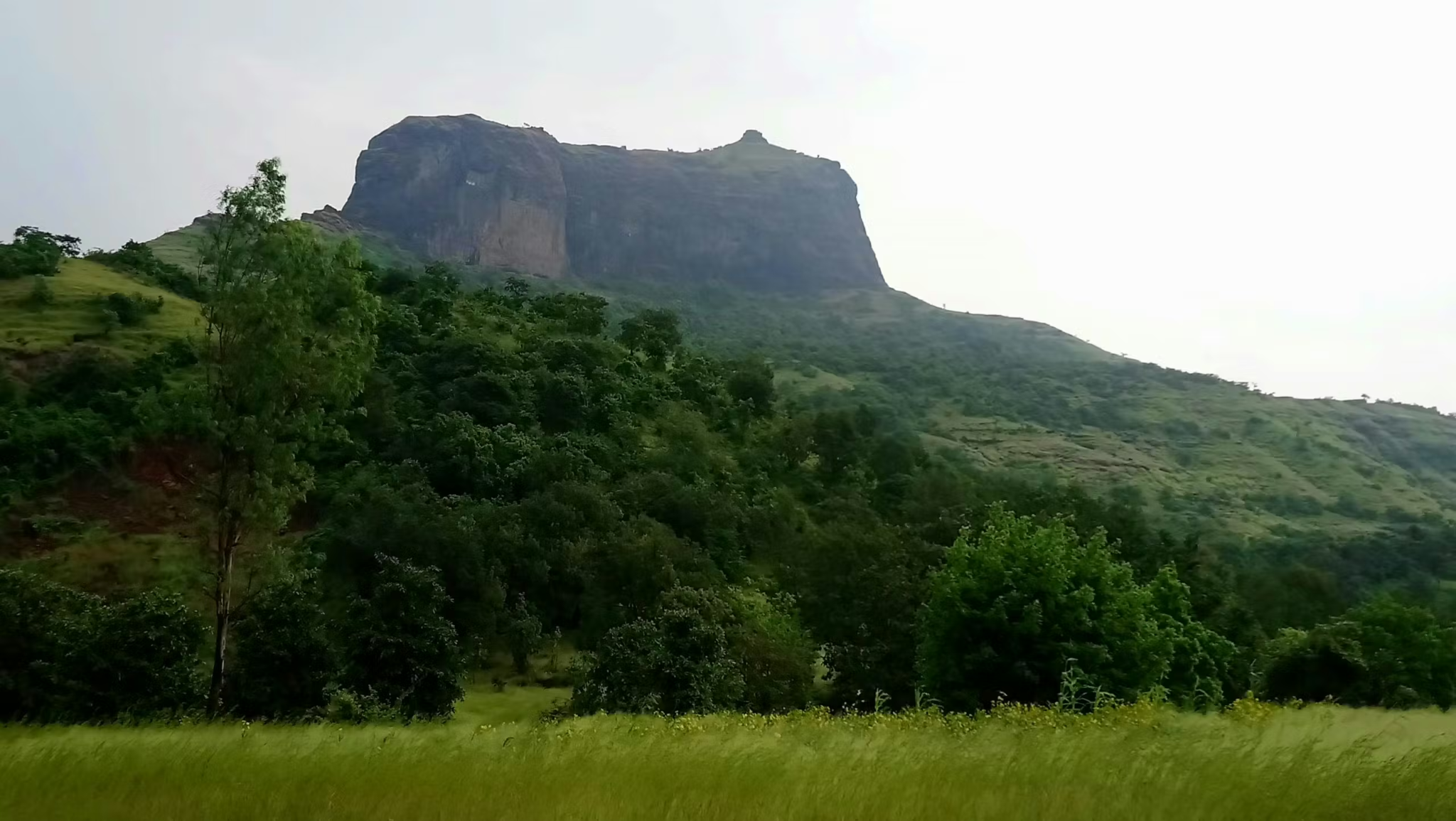
3. Harihar Fort
Famous worldwide for its iconic, near-vertical rock-cut stairs. A must-visit for adventure enthusiasts looking for a thrilling "Pradakshina" style trek. Spectacular views of Vaitarna dam.
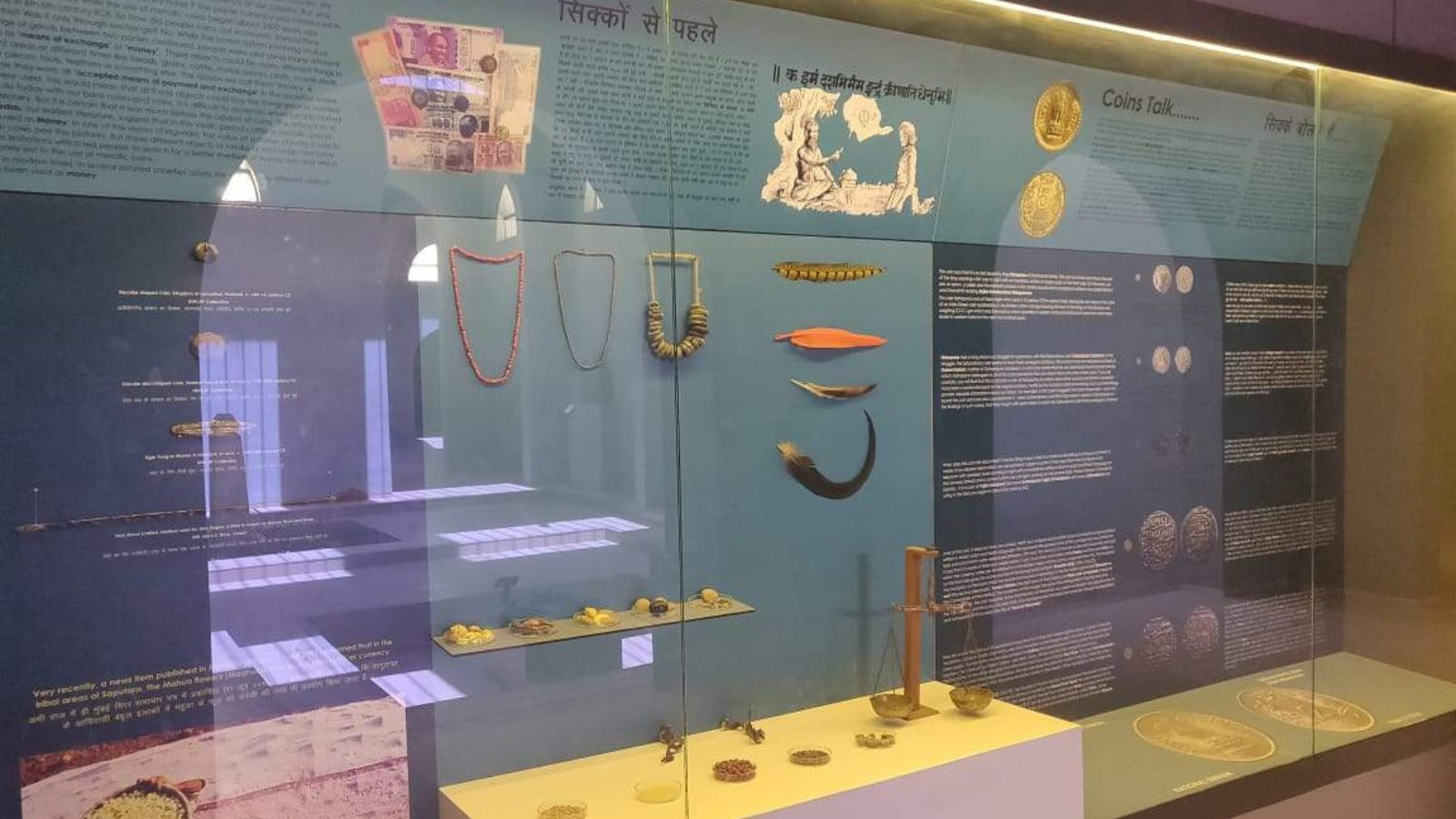
4. Coin Museum
One of the few coin museums in Asia. Showcases India’s economic and cultural history.
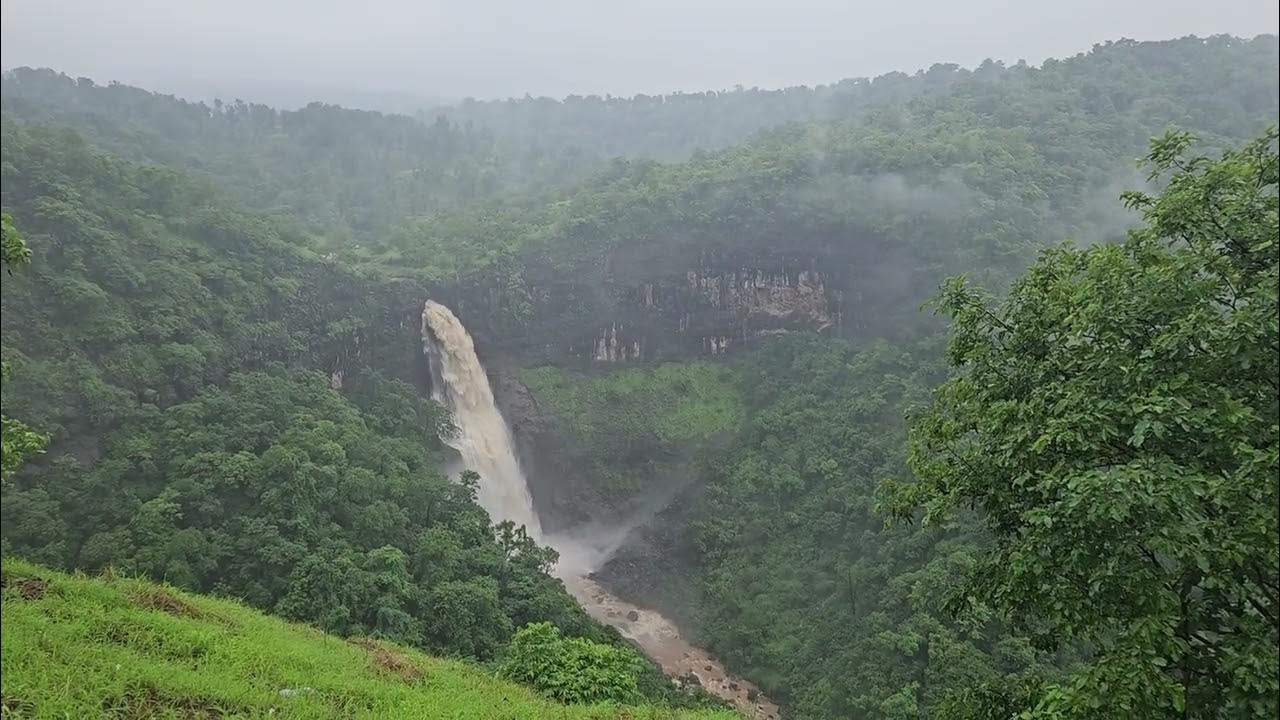
5. Dugarwadi Waterfall
Cascades from a height of around 140 feet. Located close to Vaitarna Lake and the Trimbakeshwar forest region, the area remains untouched and peaceful.
Frequent Traveler Mistakes
Skipping Advance Booking for Special Poojas
Rituals like Narayan Nagbali (For ancestral peace), Kaal Sarp Shanti (For astrological balance), Tripindi Shraddha (To satisfy the souls of ancestors) require planning. Talk to a local expert on Fento app for help in pre-arranging these.
Leaving Immediately After Darshan
Many visitors miss: Brahmagiri Hills, Kushavarta Kund, Gangadwar, and nearby waterfalls and treks.
Ignoring the Traditional Dress Code
A common oversight is attempting to perform special rituals or Sevas in casual wear like jeans or t-shirts. While casual attire is fine for a quick temple visit, special pujas mandate traditional clothing:
- Men: Men must wear a Dhoti and Shola (unstitched cloth). You may also be asked to remain bare-chested or use an Uparne (shawl).
- Women: A Saree or a formal Punjabi suit with a dupatta is required.
Underestimating the Time Required for Special Pujas
Many devotees expect to complete major rituals like Narayan Nagbali or Tripindi Shraddha in a single morning. However, these are elaborate Vedic rituals that cannot be rushed. Specifically, the Narayan Nagbali puja requires a mandatory 3-day stay in Trimbak to be completed correctly according to shastra.
- Day 1 & 2: Core rituals (approx. 4–5 hours each morning).
- Day 3: Conclusion and Ganesh Pujan.
Kaal Sarp Shanti: This is a shorter ritual, usually completed in 3–4 hours, but still requires you to arrive the night before to be ready for the early morning muhurat.
Frequently Asked Questions (FAQ)
Q: What are the daily darshan timings of Trimbakeshwar Jyotirlinga?
Darshan usually starts at 5:30 AM and continues till 9:00 PM. The temple opens early for Kakad Aarti, followed by regular darshan throughout the day with short breaks during rituals.
Q: Can we touch the Shiva Linga?
No, only priests are allowed in the inner sanctum for specific rituals.
Q: What is the entry fee?
General darshan is free; VIP/Shighra darshan is ₹200. In 2026, you can book the ₹200 Donation Darshan Pass via the official Trimbakeshwar Trust website. This generates a QR code that allows you to skip the massive general queue, which can take 4+ hours on weekends.
Travel Smarter with Fento
If you want a stress-free, spiritually complete trip, including help for arranging special poojas, talk to a local expert on Fento app.
Need a Guide?
Download the Fento App for expert guidance for Trimbakeshwar.
Similar articles
Discover more fascinating destinations and travel stories
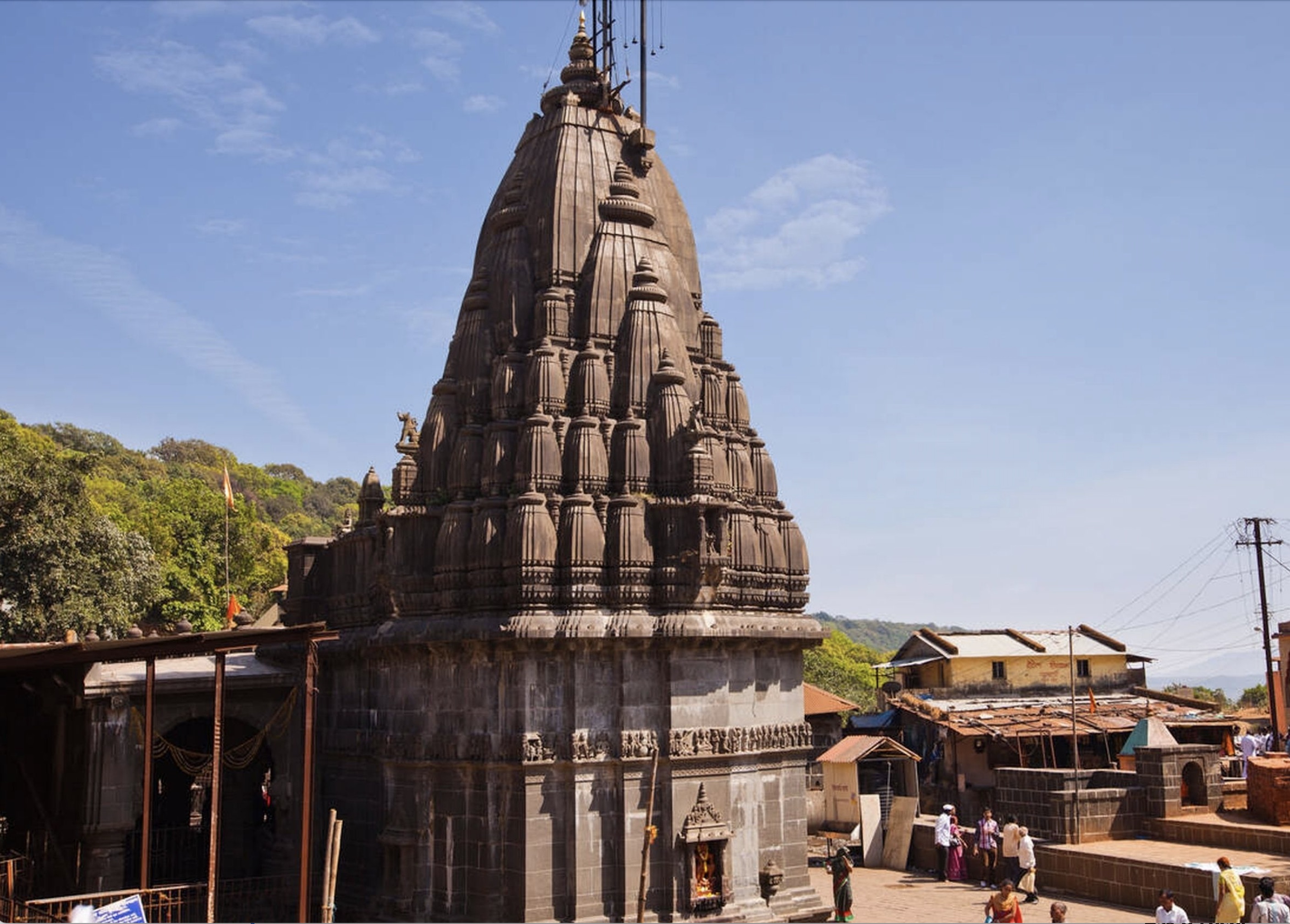
Bhimashankar Jyotirlinga Shiva Temple
Discover the spiritual aura and natural beauty of Bhimashankar, one of the 12 Jyotirlingas nestled in the Western Ghats.
Read More →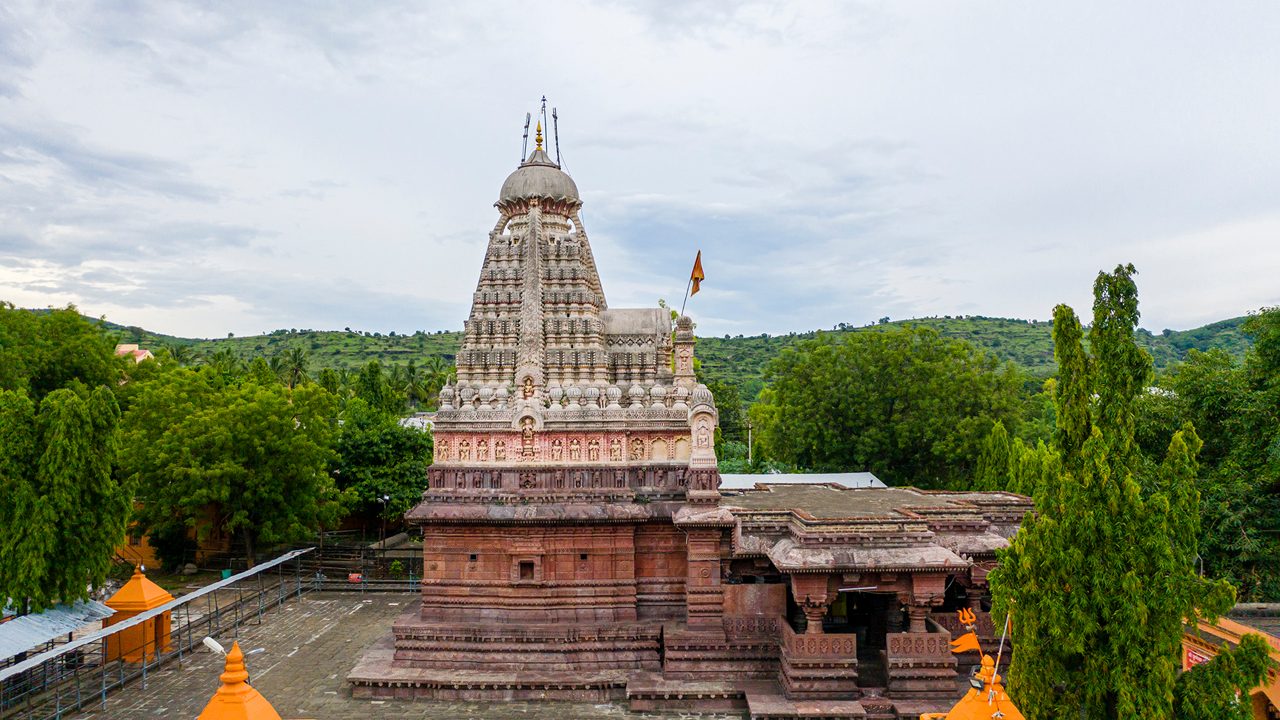
Grishneshwar Jyotirlinga Temple
Discover the sacred Grishneshwar Jyotirlinga Temple, an ancient pilgrimage site and one of the 12 Jyotirlingas.
Read More →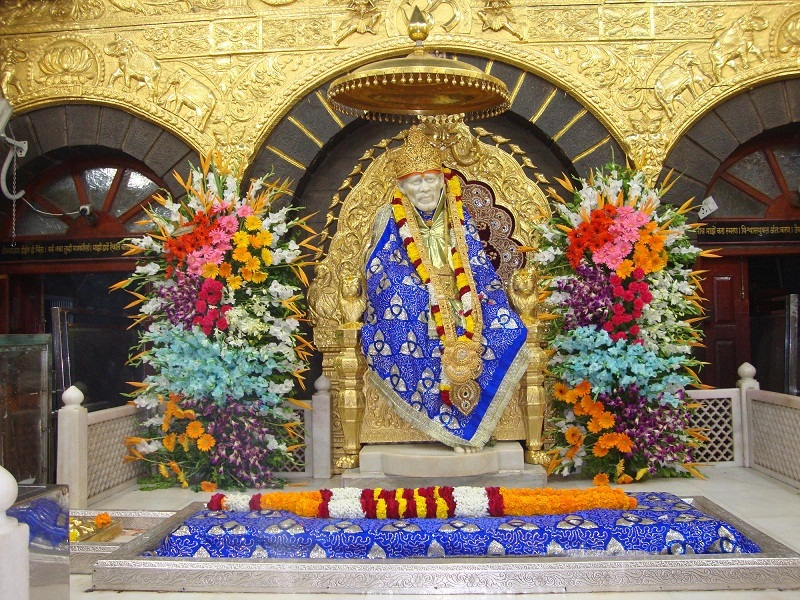
Shirdi Travel Guide 2026: The Ultimate “Sabka Malik Ek” Pilgrimage Experience
Plan your Shirdi pilgrimage in 2026. Complete guide on Sai Baba Temple timings, darshan passes, budget stays, and nearby attractions.
Read More →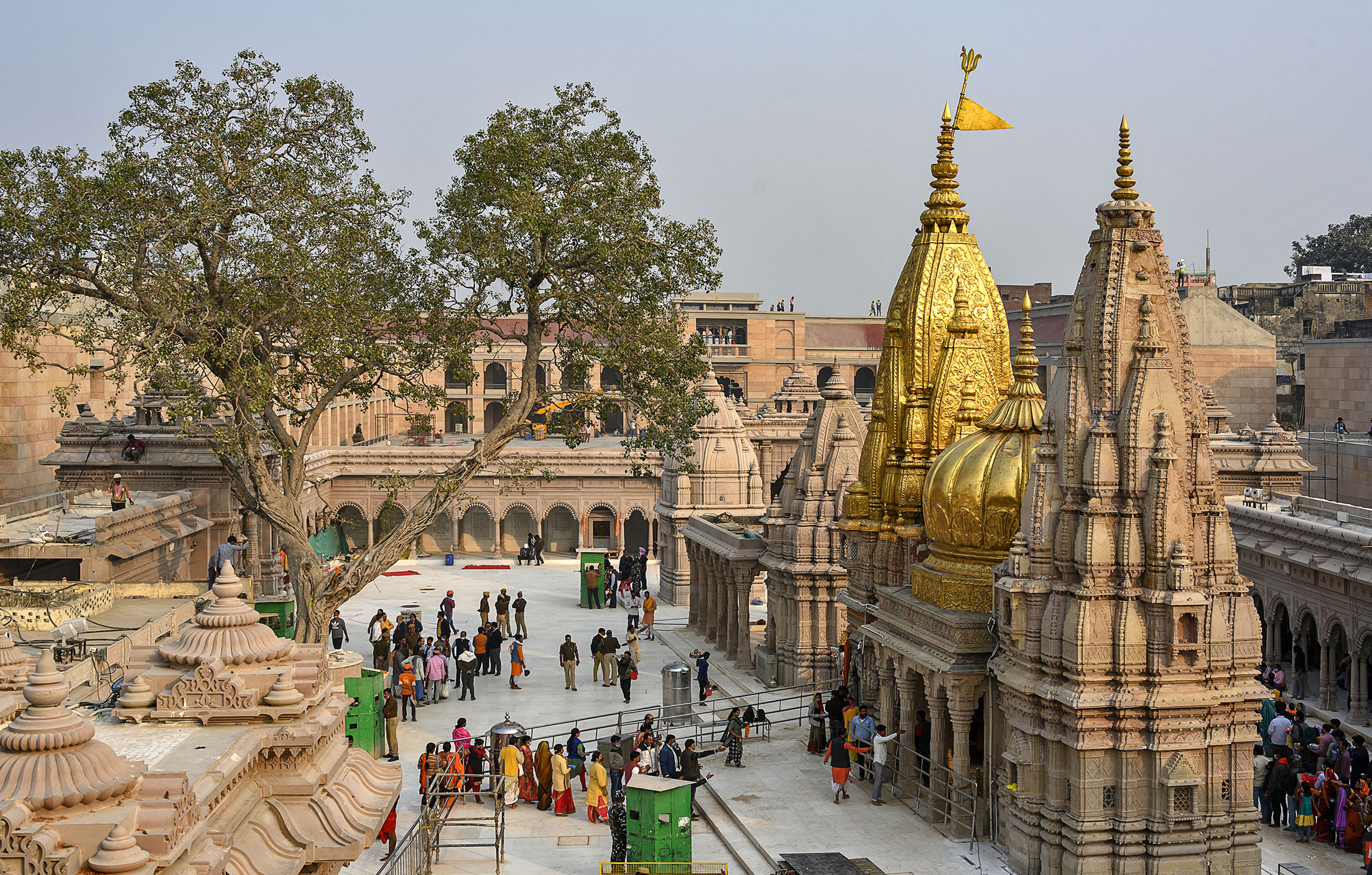
Varanasi Travel Guide 2026: The Ultimate Kashi Vishwanath & Ghats Itinerary
Explore Varanasi (Kashi/Banaras), the spiritual heart of India. Discover Kashi Vishwanath, Ganga Ghats, Sarnath, and more.
Read More →
Prayagraj Travel Guide 2026: Temples, Triveni Sangam, Magh Mela & Top Attractions
Explore Prayagraj (Allahabad), the spiritual confluence of Ganga, Yamuna & Saraswati. Discover Magh Mela 2026 dates, Triveni Sangam, and top places to visit.
Read More →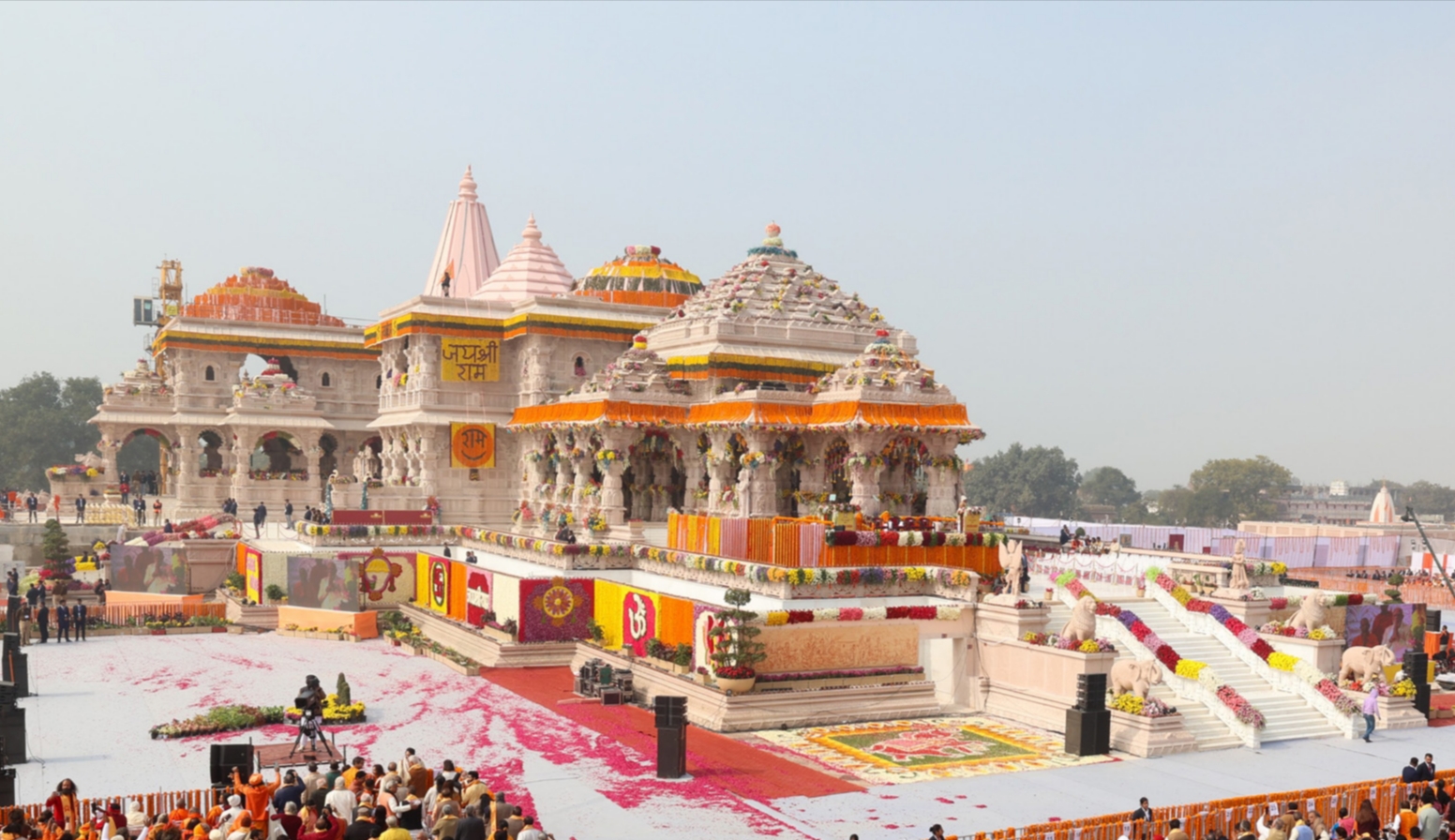
Ayodhya Ram Janmabhoomi Temple
Explore Ayodhya, the birthplace of Lord Rama. Discover Ram Mandir, Hanuman Garhi, Saryu Ghats, and essential travel tips.
Read More →